Hi all, and happy almost July! 😉 This is just one of my quick check in posts. First off, I have another giveaway happening on Goodreads for a chance to win a signed paperback copy of Relapse. It’s open to U.S. residents only through the end of the day on Sunday, July 5. (One day I’ll be able to offer these giveaways to readers abroad, when I have money or something.) You can enter here.
For my fellow indie authors, I thought I’d share the results of my first giveaway of Reborn through Goodreads. I’ve prattled on about marketing before on this blog, but really my basic marketing strategy so far is to try a bunch of things and see if they work, lol. Although I’m by no means an expert, I like to share what I find out in hopes that a fellow author might find it useful. I mean, that’s how I pick up all of my book pimping ideas–from seeing what both traditionally published and indie authors do, how they get the word out about their books. I wanted to try another avenue for my giveaways to reach a wider audience than my Facebook page (although I’ll continue to hold them on there, too). The fact that Facebook hides everything now has made it a little harder. Also, I may have read an article that said indie goddess superstar Colleen Hoover’s first novel made it big after she did a giveaway on Goodreads, lol. The skeptic in me realizes that probably a lot of people have tried this and have NOT become instant indie god/dess superstars. I’m pretty sure Colleen Hoover is made of magic.
Anyway, the point is that I tried it. Here’s what happened, and what you might notice, too, if you try it. 1. A lot of people will enter the giveaway. I’m not even sure how people find out about these things, but over the 5 day giveaway, I had 407 people enter, which didn’t seem too shabby. 2. Also, you’ll see a spike in the “to read” shelf for your book because I *think* Goodreads requires you to add it so you can enter the giveaway. 3. I had a few downloads and Goodreads ratings trickle in for Reborn, and picked up a couple more followers. What I don’t know yet is if the winner will actually rate/review the book after she reads it. It would be really awesome to get a review out of it–then again, I’m always wary of getting reviews on Goodreads. (I’m still bracing myself for the day when someone goes off on a long hate tangent about one of my books. As a woman writing fairly sexy books, I feel that this is somehow, unfortunately, inevitable. Though I guess, as they say, any publicity is good publicity…)
So, the jury is still out on whether the Goodreads giveaway will help with reviews and spreading the word about Reborn. Nevertheless, I opened up the giveaway for Relapse this week. I’ll write a follow-up post about all of this at some point. Otherwise, July’s experiment is to not do any other pricing promotions or anything like that (well, except for this giveaway). I play around with the prices of my books a lot, but for now they are going to remain steady. (FYI, Reborn is $1.99, and Relapse is $2.99. Both are now available through all ebook platforms.) I’m going to TRY to focus less on marketing, and more on writing.
Speaking of writing…I am writing, I swear. I have a lot of other life stuff going on right now (ch-ch-ch-ch-changes), but I’m fitting in some planning and writing here and there. I have some ideas for the titles of the rest of the series and pounded out a few book summaries last night. I don’t know if anyone else is like this, but sometimes it helps me to write a draft of a back cover-type book summary before I write the book. It helps me to be more focused from the start–otherwise, I end up having subplots galore. (I’m still afraid that sometimes Relapse has too many subplots…) For titles, I am attempting to stick to words starting with “re-” so that they have some sort of common thread, but was really drawing a blank for a while. I tried to brainstorm “r” words with my mom, the former English teacher, who also helps me edit, but all she came up with was “rutabaga.” I guess in the next book Siobhan could eat a magical rutabaga that gives her more special powers. (Don’t worry, I’m not calling the next book Rutabaga.)
“Siobhan and the Magical Rutabaga”
Otherwise, I’ve been spending my summer finishing up work with my current adviser, getting some reading in, and watching season four of Game of Thrones. (I know, I’m a little behind.) And Poldark on Masterpiece Theatre. Mostly because of Aidan Turner (who, by the way, also played Kili in the recent string of Hobbit movies). There are also a lot of other good things about the show, like some interesting characters and a plot and stuff.
Anyway, those are all of the updates I have. Happy Fourth of July, and enjoy the long weekend!
I am slowly but surely trying to get back into the swing of writing and blog updating. Just last week I successfully defended my PhD dissertation (hooray!!!), and now my hunt for a “real job” resumes. Since I can’t seem to stick to one field, I’m also thinking ahead to my plans for the rest of the Reborn series, and I’ll update the good ol’ blog about that soon. (It feels good to get back to story writing.) But, like I said, today’s post is about something many writers perhaps view as a necessary evil: marketing and promotion.
I’ve talked about marketing strategies and what’s worked (and hasn’t worked) so far for me before on this blog. Since I’m still trying new and different approaches to see what works–it’s definitely a learning process–I thought I’d touch on this subject again. I know that some of us as writers detest marketing and promotion out of principle–we want our stories to stand on their own and attract an audience because they’re great stories, not because we’re shoving them down our potential audience’s throats. Although I get that, I’ve never really been averse to the mere concept of promotion. No matter how good your book actually is, no one is going to pick it up (or download it onto their Kindle) and read it unless they know it exists/where to find it. Nevertheless, as I’ve come to accept myself, there are definitely other factors–many of them beyond your control–that will affect your sales. So, here is an updated post about what I’ve tried as far as marketing goes, what’s worked for me (and continues to work), and some other factors to consider.
1. Free Promotions
I’m listing this one first because it’s worked the best for me (I can’t speak for all authors), although, as with any strategy, there are upsides and downsides. Clearly one of the disadvantages is you’re giving your book away for free and not making even the 35% royalty from your $0.99 book (or whatever rate/price combo you’ve chosen). But, if you’re just starting out and primarily concerned with building an audience (like I am), it might be something you want to consider more seriously. If you’re new to self-publishing, a little bit of background about Amazon Kindle: At least in the beginning, you will probably sell most of your ebooks on Amazon’s platform. It really does seem to dominate the e-book market. When you enroll your book in the KDP Select program, you are able to take advantage of Amazon’s free promotion tool or something called the “Kindle Countdown Deal” (a note about that in a moment). One possible drawback, depending on your view, is that the electronic version of your book has to be exclusive to Kindle for the three-month enrollment period. So you can offer a paperback version through Createspace (spellcheck wanted to change that to meatspace…), but no Smashwords, Barnes & Noble, Apple, etc, at least until the enrollment period ends.
Advantages: You will likely “sell” lots and lots of books using Amazon’s free promotion tool because readers like to stuff their Kindle Cloud with free books. (There are downsides to this–see next.) My debut novel Reborn sold exceptionally well during the first few months of its release using this tool–and still does the few times I’ve tried it since then–and usually hits the Kindle Free bestsellers list in its genre. Obviously if some people are merely downloading as many free ebooks as possible, like I said, not everyone is going to get around to reading it right away…but even if a handful of people do, that’s a handful more than you may have had otherwise. Some Facebook and Twitter pages are on the lookout for free/$0.99 books, so it helps get the word out about your book without you having to do too much (except put it on sale).
I’ve also noticed that, after the free promotion, my sales remain pretty steady for a time after the book goes back to its original price. Something similar happened when I decided to make Reborn free on Smashwords (which links to a network of other major e-book platforms–again, B&N, Apple, etc.). I had never really tried it using Smashwords before until recently, and I haven’t really sold many books through these other platforms. (Unlike Amazon, your book doesn’t have to be exclusive to these other sites to make it free–you just change the price on Smashwords, and it updates all related sites.) Well, it certainly boosted sales, particularly to B&N, including after Reborn went back to its original price. I picked up a few more readers this way who are excited for Relapse to release to these other platforms this summer. Further, with Amazon’s price match option, Amazon takes the liberty of adjusting the price of your book to better compete with other retailers. (This is a neat trick to circumvent KDP Select…shhhh, don’t tell Amazon…)
Disadvantages: Since readers are stuffing their Kindle or whatever with free books, don’t expect this to necessarily correlate with more reviews on Amazon/B&N/Goodreads or an influx of followers on your preferred social media sites. With every promotion, a few more reviews, followers, or additions to someone’s TBR list trickle in. So it’s up to you how much time you really want to pump into these types of promotions. Yes, it seems to help–but you also seem to have to do it pretty consistently to start seeing some real results, and it can get frustrating. You also have to put aside your ego a bit since you’re giving away your months and months of hard work for free (or at least very cheap). The jury is still out on how this tactic will work for me in the long run.
A note about the Kindle Countdown Deal (KCD): I wasn’t very happy with the results when I tried this. For the KCD, you reduce the price (but it can’t be free) for a number of days you specify. For example, I set a sale price of $0.99 for my ebook that’s usually $2.99, and on Amazon there’s a little timer that counts down to the day the deal will end. You can also raise the price back up in increments ($0.99 to $1.99 to $2.00, so on and so forth). I created a two-day promotion for Relapse on Amazon.com and sold maybe like seven ebooks in about the first 12 hours of the deal…so, ok, but not great. When I next tried it on Amazon.co.uk (and made the sale period longer), I sold a big fat zero. Unfortunately, you can only run one KCD per market (US or UK) per enrollment period, which is pretty long (three months). Maybe it would have helped to make the sale period longer in the US (where I live), but I’m not re-enrolling Relapse in KDP select, so that might be a future experiment. However, other authors have been pleased with their KCD results.
2. Social Media (subtitle: Popular! You’re gonna be popular!)
Clearly, this encompasses a variety of platforms–Wordpress, Goodreads, Facebook, Twitter, Tumblr, Instagram, and a lot of newfangled apps that I’m too old/stubborn to try. I’m going to touch on the ones I use here, with some advantages/disadvantages and dos/donts. Obviously, I use WordPress to host my blog. Maybe one day I’ll be willing to shell out cash for a real web site (when I get my real job), but for now my blog works just fine. I use it for the same things and have tried to confine it in recent months to just writing and book-related posts.
Facebook: This may come as some surprise, but, even after all of Facebook’s changes, it still seems to work the best for me, personally. I have both my Facebook page (S.L. Stacy), and I created a separate profile (from my personal account) to network with reviewers, readers, and fellow authors and writers. (Be my friend! LOL) When I first started out with just my blog, I had about 20 or so followers (mostly my friends and family), and now I’m up to 319…more than some, measly compared to others, but it’s still helping me expand my readership. With Facebook’s new restrictions, there has been a decline in the number of people that see my posts, but some of them still do well considering I don’t pay for ads. And I’m on Facebook more than I’m willing to admit, so I update it fairly regularly.
By the way, has anyone else taken out an ad on your Facebook page to extend your reach? I tried it once (for only $5), and it definitely helped boost the number of people on Facebook who saw the post and increased interaction a bit (as far as likes and shares go). It definitely did not boost book sales, though. I’m really cynical about social media ads because I can’t remember the last time I actually clicked on one and bought something (never).
Twitter: Oh, Twitter. Although I see the possible utility of Twitter and I do use it from time to time, I get super annoyed with it. This is one social media platform that I think authors need to be very careful with. I’ve noticed a lot of writers who just constantly blast tweet after tweet about their books every single day, and I don’t see how that could possibly work. Even though you have your profile description and little picture/avatar, you are still (hopefully) an actual person behind it, so show your followers that and tweet about other things besides your book. Not that you shouldn’t tweet about your book(s) at all-I tend to do it a lot when the book first releases and during any sales, but that’s it. I also HATE getting direct messages from other accounts asking me to buy their book or follow their Facebook page. I don’t see how that works, either (If it’s worked for you, feel free to let me know in the comments. I’m interested in your experiences, too.)
Although, just like the next platform I’m going to touch on, there can be a lot of hate/negativity on Twitter. I’m just philosophically opposed to the whole let’s-gang-up-on-this-artist-and-tweet-mean-things-to-them-because-rage thing that seems to happen on Twitter. You probably wouldn’t do that in real life, so why is it ok to do it on social media because you get to hide behind your computer? (WHY CAN’T WE ALL JUST GET ALONG?!!!!) The whole idea of it just makes me sad for humanity, even when I don’t necessarily disagree with why people are angry/annoyed.
I do somehow have over 900 Twitter followers now. Again, I don’t really know what that means, but it makes me feel kind of awesome even though it’s not uncommon on Twitter these days with all the follow-back etiquette.
Goodreads: I’m on Goodreads, and, yes, it’s just another way to reach potential readers–and that’s awesome. But beware of trolls. Also, don’t stalk your reviews. (I’m still guilty of that. Do as I say, not as I do.)
Tumblr: I have a Tumblr, but I don’t really use it that much anymore. Honestly, I’m pretty sure most of its users are in high school-early 20s, and it just makes me feel kind of old. As far as book promotions go, it hasn’t really helped or hurt me when I used it more frequently.
3. Brand/Genre
Branding is a fun one, and another thing some may be wary of. It’s supposed to be about the art, not the brand, right? Although often branding seems to take over, diminishing the value of the art itself (this seems to happen a lot with the “music” industry, or is at least talked about a lot), establishing some sort of basic brand/persona isn’t a bad thing. It lets readers know what you and your books are about, what they might expect from them, if your work might mesh with their usual tastes in reading material, etc. Well-designed blog and/or Facebook banners can help convey a sense of this. (Hire a graphic designer if you’re not good at creating banners and book covers. It’s probably one of the best investments you can make as a budding author. I love the work that Heidi, who has designed my banners and both of my book covers, has done for myself and others. I find it’s better to establish a relationship with a graphic designer rather than using those pre-made book covers you can buy on certain sites, but that could just be me.) Your presence on social media and topics you like to cover on your blog(s) also helps establish your brand.
Genre is probably an obvious one. Is your book primarily a mystery? A romance? Sci fi? Literary fiction? Thriller? Horror? Your book might merge elements from multiple genres, but pick a few that you think describe it best.
Although this seems straightforward (and maybe it is, for a lot of people), I’ve found that trying to categorizing one’s book can be a bit tricky, especially when you’re writing “romance.” Apparently, what this genre term means to me and what it means to other readers differs in some aspects. To me, “romance” has always been an umbrella term or euphemism for…lady smut? Haha! I’ve dubbed my series a paranormal romance because it definitely has overwhelmingly paranormal elements, and one of the primary themes (although there are a lot of other plot threads) is an intensely erotic relationship between my two main characters (that is not always romantic, although they have their moments). But, apparently when some people see that PR or romance tag, they want the formula, HEA or HFN ending. Yeah, sorry guys. you’re not going to find that here (or at least not for another few books. (You learn very quickly when you put your work out there that you aren’t going to please everyone, so don’t expect to or even try.) For me, I’ve found the best description for my work seems to be “PR/urban fantasy” or “urban fantasy with strong elements of romance.” (Because urbanfantasciencefictionmance is not a genre.)
This is a little off-topic, but we had a lively little discussion on one of the Facebook groups I belong to, the Indie Author Review Exchange, about genre–more specifically, what constitutes “women’s fiction” and whether or not we should even call it women’s fiction or use designations like “chick lit,” etc. As far as marketing strategies go, it will help you to know who you’re writing for, who you think will want to buy your book. (Are you writing for young adults? 20-somethings? Men? Women? Do you think your work has broader appeal and could be enjoyed by just about anyone?) It’s not a bad thing to want to read a book with a main character who will resonate with you, who you can relate to because you share a certain characteristic with them. And, on the one hand, I’m proud to be a female writer writing for what I expect will be a primarily, 18+ female audience.
BUT. But. On the other hand, I’m starting to see the downsides to gender-targeted advertising of any kind. It would probably be ok if it felt like it was an even playing field–maybe men tend to like this set of things, and women tend to like this set of things, and it’s all good because it’s all worthwhile entertainment. Well, first off, we know that not all men like the same things…ditto with women. We’re all different.
Secondly, it usually isn’t treated like the above. When you’re a woman, it usually feels like: Men like this set of things, which are awesome and worthwhile and manly, and women, being inherently silly, like this other set of silly, terrible things that are unrealistic and a complete waste of time. (By the way, I’m not saying that only men or all men feel this way. Women put down each other all the time for the things they like. Everyone has done it at some point, myself included. I’m consciously trying to stop and catch myself when I do it.) Yes, some of our female audience-targeted entertainment may indeed be silly, even stupid. I’ve come to accept that I like a lot of “silly” things. But, men–as much as I love you–a lot of the things you like are silly (and unrealistic), too. 😉
I’ve grown in my opinion of this topic of genre and gender since I’ve entered the indie writing world. I’ve come to realize that a lot of the assumptions we make about our intended audience–even though it’s a useful marketing tool–are restrictive and kind of sexist. As a romance writer, I didn’t realize how many male romance writers were out there (besides Nicholas Sparks…). Men write romance and read romance–some because they want to support fellow writers (male or female) in the genre, even if it’s not their favorite, and others simply because they like it. I’ve been able to reach a lot of different kinds of readers with Reborn, which–even if most of my audience will, in the end, be composed of my target, 18+ female readers–is pretty cool.
4.Other Variables
Despite everything I’ve said, about sales/promotions, social media, and branding, I’m beginning to realize that there’s a few major variables in the self-pub equation that are pretty much out of your control. Namely, time and luck. Ok, time you do have control over, as far as just keep on writing–don’t give up, and as you build your brand and your body of work, the readers will come. It just takes time. A lot of time. Patience is not one of my virtues, but I’m working on that. You also have control over how you budget your time between writing, networking, promoting, reading, and doing other life things. But luck? Waiting for the right reader to come along and download your ebook and love it so much they tell their vast social network about you and your book? Yeah, you have no control over that. I hope it happens for you (and for me, too).
But in the meantime, experiment with a few marketing strategies and see what works the best for you. Have a presence on your select social media platforms without becoming one of the “BUY MY BOOK! BUY MY BOOK!” automatons. The most important thing you can probably do, though, is to start on your next project–write, write, write. Remind yourself why you’re doing this: Because you love it, you love writing, you love your imaginary world, you love your characters and you want so share that passion with others. There will be many ups and downs on this journey, and sometimes you will need to be your own biggest cheerleader.
Speaking of writing…..
*****
Here are some other blog posts that I’ve found helpful (albeit cynical) and that motivated my own evolving attitudes on marketing and promotion:
I’ve been debating over whether I should write this post or not. I’m still not sure, but–since the Internet provides us with such an easy avenue for (over)sharing of opinions–it’s happening. Why the uncertainty? Well, for one, this post was inspired by a certain movie, based off of a bestselling book, that released on Valentine’s Day and has, in a short time, grossed bajillions of dollars (I may be exaggerating, slightly…). That’s right–the both much beloved and reviled Fifty Shades of Grey. And, to some degree, I–as some of you may also be–am simply getting sick of hearing about it, period. So I will try to make this post a little more broad than just this book/movie, but I can’t ignore it completely. Secondly…if the Fifty Shades controversy has shown us anything, it’s that some people can’t engage in a critique or debate without being just plain mean. More than likely, only my friends will read this post and few others will actually come across it–and fewer still will leave a comment–but there’s always that nagging fear that someone will just respond with something nasty and counterproductive.
And, third…I don’t really feel strongly about this book either way. I read all three of them out of sheer curiosity (I jumped on the bandwagon after they became popular). I haven’t seen the movie, yet. I’m nowhere near a super fan…nor am I an extreme “hater,” either. It’s been awhile since I read them…I reviewed all three of them (you can read my review of the first book here). I was surprised when I went back and read my critiques, because my opinion has changed (somewhat) over the last several years.
I will tell you upfront what this post is not about: the quality of E.L. James’s writing. Did I feel like they were the most well written books ever? No. Did I like the main heroine, Anna? Not particularly. Like the franchise the Shades books were inspired by (Twilight, if you’ve been living under a rock and don’t know that by now), Anna is sort of a bland character, if you prefer strong, vivid, interesting characters (and I hope you do)–then again, she’s the perfect character if you are seeking to “insert” yourself into the book in place of Anna for the purposes of fantasizing. Look, there’s a lot of bad, poorly written porn (even if it’s more visual rather than literary) geared towards men’s fantasies–and I don’t think I’m exaggerating this time when I say it’s probably a billion dollar industry. My point is, just because Shades is in a book form, doesn’t mean it’s required to have outstanding style. Its purpose is to titillate (and, most likely, shock).
(As an aside: That’s definitely not to say that a book can’t have all the things–be well written, with strong, interesting, dynamic characters, and also be sexy. I’m just saying that, when it comes to what may be a book with mediocre writing that is written by a woman intended for a bunch of other women to read–suddenly everyone has exceedingly high standards of the written word and cinematography.)
I’m going on off a tangent–as I’m prone to do, with posts like this–so let me bring it back to today’s intended topic: art and culture. Because, while some dissenters criticize James’s writing, and others call it a Twilight rip off and accuse her of plagiarism, much of the criticism has been over Christian’s personality, his relationship with Anna, and how that might affect impressionable readers.
I don’t think any of us can deny that art can affect us, and can do so deeply. In fact, as artists, writers, singers, performers, etc., we’d be doing our crafts a disservice by trying to argue otherwise. We’re usually willing to accept this when we find other people who consume and enjoy the art we put out into the world, but it becomes a little harder to stomach when we have to admit that it can also affect some people negatively. So I think we can all agree that, yes, art can evoke both positive and negative responses–including unintended ones–and that the culture surrounding us in turn affects art, maybe sometimes in ways we don’t even realize.
At its core, art is also a very selfish activity. Before you put your art out into the world (whether it’s a painting, a short story, a book, a song, a movie)–before you have readers, listeners, viewers–it’s just you and your idea. In the case of writing, you’re writing characters and themes that are, for whatever reason, interesting to you–you’re expressing yourself and your emotions. (I’m not trying to speak for all writers when I say this, but…to be completely honest, I haven’t always worried about what others might say/how others might interpret my books, or how they might affect people (in the negative sense). Recently, I’ve started obsessing over this, but, if I’m going to get anything down on paper, I have to block it out. I’m not going to censor myself because I’m worried about what someone else might think.)
What motivates the people consuming said art can vary widely and, often, be at odds with the creator’s self-expression or intention. I’m going to try to stick to the book example because a book inspired this post, and, as a writer, it’s what I can speak to best. Fans may fall in love with the book for any number of reasons–the style, atmosphere, and characters drew them in, the characters really spoke and jumped off the page for them, they see themselves as one of the characters, the book got them through a difficult time, whatever. For some others, it may be the opposite–it could be that a situation or character reminds them of a difficult time in their life, or something about the book clashes with a believe or value they cherish–whatever the case, they find the book offensive. Critics analyze the book and, not only consider aspects like the style and quality of the writing and characters, but also perhaps what it reflects about our society–and how it might affect other readers. This is all fair. The artist also has to be aware that, once that book or painting or song goes out into the world, it’s open to different and varied interpretations.
I guess where I’m going with this is: Critique is fine. I’m not about to say that we shouldn’t critique Fifty Shades, or talk about what kind of impact our society has had on it–and the kind of impact it could have on our society or even certain individuals. Art and culture are intertwined. I’m just wondering why, as a society, we can’t seem to have a reasonable discussion about a book written by a woman, seemingly intended for and read by millions of other women, without being mean. And not just mean–ugly and horrible. (I mean, E.L. James (as other famous people have) gets harassed a lot on Twitter. Which is one thing I hate about social media–although it has its perks, it also makes it really easy for people to anonymously harass other people and say things they would never, in a million years, have the guts to say to someone’s face.)
Okay, I was going to try to keep this general, but my brain keeps coming back around to Fifty Shades, in particular. Most of the cultural criticism I’ve alluded to centers around Christian and Anna’s relationship–some interpret it as abusive (well, I guess they wouldn’t say “interpret,” they would say it is abusive). I think it’s fair to say there may be undertones of that.
But I also have to say I’m not sure why we seem to be so afraid that millions of women can’t separate a book or a fantasy from reality. Like I said, it might affect some people negatively…and, maybe to try to prevent that, we should point out and discuss the seemingly questionable material (as we’ve been doing).
There’s something about the amount of criticism we’ve been heaping on James and Fifty, though, that I’m starting to find just as disconcerting as some people find the books themselves. For one thing, there does seem to be this element to it that we’re talking about it so much because, again, it’s a sexy book written by a woman for other women…and that we usually seem to be overly concerned with, not how art is affecting us, but how art is (negatively) affecting women…because somehow we’re more prone to messages (“hidden” or otherwise) in art and the media. (I guess the flip side to this is not that we feel women are more susceptible to these messages, but that the formula in Fifty Shades is outdated and patriarchal, and that these themes are being perpetuated by the fact that the books are so popular.)
The other element I find disturbing is that I’ve started to see posts and things encouraging boyfriends/husbands to not to take their girlfriends/wives to see the movie because it’s not really “romantic,” and we don’t want them to get the wrong impression (because, see above comment)! I think that’s a terrible and counterproductive suggestion and could actually backfire. Your boyfriend does not get to decide for you what guilty pleasures or fantasies you choose to indulge in. I also read this article by some guy who went to see the movie and also seems to be overly concerned that a woman (again, I’m talking about adult women, here, not preteens or teenagers) is going to get the wrong idea about romance from watching this movie. Which brings me to what will hopefully be my last two points, because I didn’t expect this post to get so massive.
Why do women like Fifty Shades? Why do they “like” Christian Grey? Perhaps women like Christian because he sounds f***able. He’s hot, and he’s rich, and it sounds like he’s good, at, you know…doin’ stuff. 😉 I think it’s perfectly possible to like a fictional character and realize that not all of their traits are ideal traits for a mate in real life. Romance novels (we’ll get to the genre term “romance” in a minute), like those of other genres, are read for pleasure and escapism. At least when I read them, I’m not looking for the hero (or antihero) to have traits my next boyfriend is going to have. (And I don’t think anyone has ever expressed any concern or fear over whether men are going to date women like those in the porn they watch.)
And, finally, the other argument the crux of the Fifty Shades criticism seems to depend on is that it is a “romance” novel, and many of Christian’s actions are not romantic. Which…they’re not, really, but I think this is an even more complicated issue than you might think. For one thing, women in our culture are expected to enjoy stories about romance and not just necessarily those just about sex…so the couple often tends to have a deeper connection than just a physical one. If it is true that most women tend to need both the physical and emotional connection in their porn or erotica…that’s fine with me. Again, it’s a complex issue–is it true, or is it what society tells us is true?
A related issue: I know that, as a woman who writes stories with strong “romantic” themes, I feel compelled to put the “romance” stamp on it even if it’s not necessarily romantic, in the traditional sense. Romance, as a genre, encompasses more than you might think. Sure, much of it still follows the formula of your archetypal, charming, strapping hero falling in love with the sassy, buxom, virginal heroine…maybe they feel a mutual dislike towards one another at first even as they fight down their growing passion for one another…until one sweltering, starry night they give into that fiery passion…and, after a few more obstacles are thrown in their way–just when you think all hope is lost–they finally overcome all, get together, and live happily-ever-after. Formula romances are great. Often, they’re exactly what you need; sometimes you just wanna know things are going to work out for the best, and not be disappointed when they don’t.
But not all stories that get this “romance” stamp are like this–and they’re not supposed to be. Well, at least not to me. I do know firsthand that there are readers who see “romance” and expect the formula, expect the HEA ending–and, when they don’t get it, are confused, at best–and at worst, pissed. But I think the romance genre has expanded and can evoke more raw emotions than just “awwwww….how romantic!” “Romance” novels can be dark, shocking, or even disturbing–and the characters aren’t required to be cookie cutter heroes and heroines who only do good things and have sound morals. (Maybe what we really need is a new genre name.) Personally, I enjoy writing deeply flawed characters–it’s more fun and challenging to imagine what might motivate someone to choose wrong over right.
I guess what I’m trying to say is…what the heck am I trying to say, anyway? When I read Fifty Shades, I noted that Christian was controlling and some of his behavior disturbing…but I didn’t think this behavior was supposed to be traditionally romantic. To me, it was an author pushing a certain type of character–a controlling, manipulative one with some deep, dark demons and a Red Room of Pain–as far as he could go in that direction. At its core, Fifty Shades is just a forbidden lust story. Anna knows that Christian has flaws and is maybe into some stuff she’s not sure if she can handle, but she’s intrigued by this darker, forbidden aspect. Christian isn’t supposed to be a role model or dating material.
Then again, I could see where maybe a more impressionable reader might be more easily influenced by a story like this than I would be. Not everyone would share the same outlook going into the book, or probably even feels the same way about the genre. Even so, I just personally don’t think there are many types of situations or characters (if any) that are completely off-limits in fiction, although context is also important. I just take Christian to be a (rather poorly constructed) antihero who has a lot of skeletons and not too many redeeming qualities.
So some will love, some will critique, and some will be offended. And some, like myself, will be totally wishy washy and kinda understand where the criticism is coming from, but then again, not really. I just wish we could all discuss it in a civilized way. Because, really, when is the last time you’ve ever heard of a male artist, writer, or anything getting so much slack? (Robin Thicke? He’s really the only example I can come up with.) I don’t think the answer is to ban the movie, either, as others have also suggested.
What I’d hoped would be a more general post kind of just turned out to be about Fifty. For that, I am sorry…but it’s been on my mind lately, and, you know…must…vent…on…Interwebz. I’d love to hear your thoughts…as long as you can keep it rational and civil.
But I have to go, for now…actually, because I’m going to the movie…
This is sort of my overdue update/New Year’s resolution post. Although I haven’t really made concrete resolutions so much as general goals. I don’t like making specific resolutions because then I feel guilty when I don’t actually do them, lol. In particular, I want to share with you my plans for upcoming projects. Relapse doesn’t so much end in a major cliffhanger, but it definitely has some loose ends, so you may be wondering: What’s next for the Reborn series?
The short answer is: Er, I dunno…..
But that’s not entirely true. Hence, the longer answer:
I have lots of ideas for future books (yay!). Right now most of them are still jumbled up in my head, so I have to put them down into a plan/outline. I’ve known almost since I started writing Reborn where the series was headed, especially as far as Siobhan’s story is concerned. But I’ve since realized that I also want to focus on some of the other characters. For instance, I really want to go into Anna’s story in more depth. She may just get her own book, or at least be the principle POV in the next book. I also left things hanging with Carly at the end of Relapse, so I want to pick up her story again. Siobhan’s story obviously isn’t over, either–I’ve hinted that she has some special abilities compared to the other halflings, but we still don’t know why. Well, I know why. 😉
I just can’t decide how I want to split all of this up. I could alternate a few POVs within one book, like I did in Relapse, or I might write the third book about Siobhan and then a few novellas focusing on these other characters…and then maybe release a few things around the same time. I just really don’t know how I want to do it right now. My goal over the next few months or so is to get my notes organized and do some outlining to figure all of this out.
But I’m not allowed to write anything yet, haha. I have to concentrate all of that brain power/energy on finishing up what I need to in order to graduate first. I’m so close. Between school stuff and putting the finishing touches on Relapse and promoting it, I got kind of burned out at the end of last semester. For some reason, I didn’t think I would–I guess because the editing and marketing stuff, even though it’s work in one way, it’s also a lot of fun, at least for me. But by the time winter break rolled around, I was just…done, haha. I didn’t do or think about anything over break. I had two weeks off this time, which was nice.
By the way, the reason I’m not allowing myself to do the actual writing yet is because once I get into the zone, it’s hard to get out. I get really obsessed with it. I’m obsessed with this whole thing, anyway…it’s hard for me to resist doing at least something related to it, whether it’s updating notes or the Facebook page or whatever. I also have a growing pile of awesome books to read and review for fellow indie authors, which I’m starting to make a dent in. I think one of the best parts of this has been helping fellow writers with their projects and reading incredible books I might not otherwise have gotten the chance to read. It’s also forced me to read outside of my YA/NA/paranormal romance/urban fantasy comfort zone, which is good, too.
I seem to be rambling a lot, but haven’t actually recorded any goals yet. So, here we go:
1. Finish dissertation.
2. Find a big kid job.
3. Get caught up on reviews.
4. Continue to update book-related notes and do some serious outlining.
5. Solidify details of next project. And then tell all of you about it!
I guess my point is, there is definitely more to come from the Reborn series, so stay tuned. In the coming months, I’ll have a better idea of installments and release dates and announce those when I have it all figured out. Thanks for being with me at the beginning of this journey, and for your patience. 🙂 And please feel free to share your thoughts or questions in the comments.
Note: I’m sharing these character profiles to reintroduce you to some of the characters in Reborn. This means they may contain some spoilers. So, if you haven’t read Reborn yet, beware…..
Victoria (Nike)
Age: Like all of the Olympians, she’s really old, but she looks about early twenties.
Physical Description: Tall; athletic; auburn hair usually worn in a ponytail; amber-colored eyes; white feathered wings
Species: Olympian; goddess of victory
Relationship Status: In a relationship (you’ll meet her in Relapse)
Other relationships:
Siobhan’s (and Tanya’s)big sister in Gamma Lambda Phi
Goals: In Reborn, Victoria’s main goals were to send Jasper back to Olympus and to protect their college campus. As you find out at the end of Reborn, Victoria and Jasper are related. You’ll learn more about their rocky sibling relationship in Relapse. As the patron goddess of Gamma Lambda Phi, and its chapter president, Victoria’s ongoing goal is to maintain the trust and respect of her sorority sisters. She’s someone the sisters, particularly Siobhan, go to for advice.
As the paragon of victory, she’s also motivated by winning. And, as you’ll see in Relapse, she sometimes takes this need to win a little too far…
Strengths:
Practical
Sincere
Wise
Charismatic
Weaknesses:
Self-conscious, especially about how the sisters perceive her
Hobbies:
President of Gamma Lambda Phi sorority
Running
*****
“I have a dark side, too. You just haven’t seen much of it.”
With only a few weeks left until Relapse releases on Tuesday, December 2, let’s get reacquainted with some of the characters.
I thought I already had a profile up for Jimmy, but I guess I must have taken it down at some point. You probably remember Jimmy as Siobhan’s old flame from high school. Their love starts to rekindle in Reborn, but Siobhan’s growing attraction for Jasper gets in the way. I guess, if you include Max, Reborn sort of has a love quadrangle. Things get even more complicated in Relapse when Apate decides to make Jimmy her latest boy toy. So, really, it’s a love…web? A web of love and lies…
Image courtesy of photostock at FreeDigitalPhotos.net
James (Jimmy) Wallace
Age: Early twenties
Hometown: Laurel, Pennsylvania
Occupation: Bartender; lead singer of punk rock band Search and Destroy
Physical Description: Short, dark brown hair; hazel eyes; square jaw; lips usually set in a stubborn pout; aversion to wearing shirts
To repair his relationship with high school sweetheart Siobhan
Obstacles:
His rocky history with Siobhan
Siobhan has other suitors: Max, but the real obstacle is Jasper
Strengths:
Talented musician and singer
Supernatural healing abilities
Trustworthy
Funny/a goofball (likes doing impressions)
Flaws:
Impulsive (wild stage antics, cuts himself during performances)
Rock star ego
Hobbies:
Performing
Partying
Inspiration: Iggy Pop
Who would play him in a movie: There really isn’t an actor who resembles the Jimmy I have pictured in my head, but my best pick would be Glee’s Mark Salling.
*****
My heart beats wildly in my chest. “Friends do not hug like this.”
Jimmy moves one of his hands to my chin so that he can tilt it up. “Friends don’t kiss like this, either.”
Only two more weeks until Relapse comes out…..eek!!!!! Why did I decide to release it right after Thanksgiving again? Oh, right, because I love you guys, and I want you to have something to read over winter break. 😉
Before we go on with today’s post, I thought I’d mention I got a little (very, very little) writing done this weekend…335 words, to be exact. I’m working on a novella from Anna’s POV. The novella takes place somewhat parallel to the events in Reborn. I don’t know if I’ll do anything with it, or if it will become part of the next book. I’m mainly doing it to find her voice and flesh out her back story, since I want to incorporate more from her POV in future books.
But, anyway, that’s not what today’s post is about. I want to talk about influences: the authors, themes, and types of characters I’ve become obsessed with over the years. This may turn into a two-part post…we shall see…
1. Mischief and Mayhem
As a reader and writer, I’ve always been intrigued by the idea that there could be these otherworldly, always mischievous (and often malevolent) beings sort of lurking in the background, in worlds adjacent to our own, influencing it in ways we don’t realize. (Or sometimes, as they do in Reborn, they get very mixed up in our world.) It’s a totally freaky, even creepy idea–one I think is so much fun to explore in fiction, but nothing I actually believe in real life. When I was first playing around with the story that would eventually become Reborn, this is the concept I knew I wanted to capture. I wanted my supernatural beings to be volatile, mischievous, and manipulative–characteristics often embodied by The Fair Folk. I’m talking about the devious Fair Folk of Irish lore, or like Puck et al in A Midsummer Night’s Dream, not the Disney fairies like Tinker Bell, lol. To be quite honest, I don’t know a lot about Irish folklore besides what I’ve seen other authors use–and they’ve incorporated it quite well already into works of fiction, so I wanted to do something a little different.
I think Karen Marie Moning’s Fae are the best–but, as she is my favorite author, I’m probably biased. In Moning’s Highlander and Fever series, the Fae are arrogant, devious, and lethally seductive. Back in the day, I wrote a book review of The Immortal Highlander–my absolute favorite of her Highlander romance novels. Immortal’s antihero, Adam Black, is a good example of this type of character, although he’s not mischievous in a cruel way. The Seelie Queen places a curse on Adam that strips him of his immortality and makes him invisible. His is a hopeless case until he meets Gabby, a sidhe-seer–gifted with seeing beyond the glamour used by the Fae, and the only one who can see Adam. Since Gabby seems to be his only hope, Adam ingratiates himself into Gabby’s life and eventually convinces her to help him. It’s been awhile since I’ve read this book, but I remember Adam perched on Gabby’s desk at her law firm while she tried to get work done, nagging her. Obviously, that kind of behavior would be super creepy and annoying in real life, but the love-hate dynamic between Adam and Gabby made for a very entertaining book. It didn’t help that Adam’s glamour was that of a sexy Scottish Highlander, making it almost impossible for Gabby to resist him.
Moning went on to write the Fever series–a sexy urban fantasy series in which the walls between our world and that of the Fae become even thinner. The Immortal Highlander isn’t an official prequel to the Fever series, but it’s definitely where her books about time-traveling, sexy Scottish Highlanders start to get much darker, and it sets up the conflict for her later books. I think the Fever series was a pretty daring one–primarily, I’d call it an urban fantasy, but Moning combines elements of a bunch of different genres and just makes it work so well (mystery, sci-fi, romance, and they’re funny as hell). I’d say for marketing purposes, it’s a good strategy to choose one or maybe two genres that your work fits into, but her books have taught me that it’s okay to push the limits of a genre and mix things up a bit.
A very much related type of character is:
2. The Trickster
You didn’t really think you’d get through this post without a picture of Hiddles, did you?
The Trickster is, according to TV Tropes, which I can’t stop reading lately, a type of character that “plays tricks or otherwise disobeys normal rules and conventional behavior.” This is definitely related to what I’ve described above, but I’m separating them out. We can depict these qualities in an entire race, like the Fair Folk (or the Olympians…), or in an individual character (whose peers may or may not embody these traits). I prefer the darker, more anti-hero-ish tricksters who use outright manipulation and deception to get what they want, without (much) remorse. They also pretty much pop in and out of places and situations as they like without a whole lot of consideration for rules or puny humans other people. Recent examples include Rumpelstiltskin on ABC’s Once Upon A Time and Loki in the Thor franchise. Another classic example (teehee) is Jareth from Labyrinth.
One of my other favorite trickster types is Julian from L.J. Smith’s The Forbidden Game. I’ve most definitely fan-girled over this trilogy before on this blog, but it’s one of my all-time favs. One of my friends introduced me to L.J. Smith back in freshman year or so of high school, and my life was changed, forever. (Dramatic much?) These books were already ten years old or so when I originally read them, and now…yes, I just confirmed on Wikipedia, The Forbidden Game is twenty years old. Aaaaaand now I officially feel old.
Anyway, I reread them this summer (they were first published as separate books, but since they’re short, they’re published now in an omnibus edition), and…they were still good. Sure, they’re written at about a middle school reading level, and, since they are so short, I noticed some of the repetition. Smith is a fan of the epithet, which, in a longer book, may help you remember each character–but, in a shorter book, it gets repetitive. Even so, there’s just something about Smith’s writing I’ve always loved. It almost has a beat to it–like poetry.
The Forbidden Game is an urban fantasy trilogy with a tiny blonde-haired, green-eyed protagonist named Jenny Thornton. Jenny starts out as an innocent, naive girl still dependent on her childhood sweetheart, Tom. (I mean, Tom’s nickname for her is Thorny. You don’t get any more disgustingly cute than that.) There’s mystery and magic from the start of Book One, The Hunter, when Jenny, who is being followed by two delinquent-types, takes refuge in a strange store called “More Games.” She buys a game in a plain white box, simply called “The Game,” from the even stranger boy running the shop. Of course, with his white-blonde hair and otherworldly blue eyes, he’s über attractive–and, despite his seeming indifference towards her, Jenny feels a strange connection to him.
That night, Jenny, Tom, and the rest of their friends start to play The Game, setting up a paper house and drawing their worst nightmares on sheets of paper. The next thing they know, they’re inside the paper mansion, transported there by the cyberpunk boy from the More Games store. His name is Julian, and he’s the youngest of an ancient race called The Shadow Men. In order to win Julian’s twisted game, Jenny and her friends must confront their worst fears–and, if they lose The Game, they lose their lives. Julian is a predator and master of manipulation (and very Jareth-esque). Of course, as the series goes on, you find out that Julian maybe isn’t the ultimate big bad he claims to be.
The Forbidden Game includes one of L.J. Smith’s favorite themes (and, okay, one of mine): the love triangle. Ms. Smith’s love triangle is usually set up as the relatively innocent girl caught between the good guy/hero type and the seemingly bad boy/antihero. In this case, Jenny’s good guy is Tom, and Jenny’s bad boy is Julian. Jenny knows that sweet and caring Tom is the guy for her, but she can’t help but be tempted by Julian’s beauty and charisma. These books are also about obsessive love: Julian is obsessed with Jenny and will do anything to have her.
Which brings us to one of my other favorite topics, and the final one for tonight:
3. Forbidden Desires
Two of my favorite themes in fiction are sin and temptation (well, what is perceived to be sinful by that character). Often, this takes the form of fairly-innocent-girl-gets-tempted-by-dark-sexy-mysterious-man’s-dark-world-of-…..darkness…..okay, I’m becoming less and less articulate as this post goes on, but you get the gist. 😉 Let’s just call it forbidden love/lust. This theme probably at least in part stems from the idea of sex as a sinful or evil act–perhaps a very Western/Christian notion. In some of these stories, the innocent heroine, initially intrigued by the sexy, devilish antihero, ultimately resists temptation and does the “right” thing. Going further with this interpretation, maybe it has something to do with the antiquated notion that women retain their virtue and innocence for as long as possible. And, even though I don’t agree with that, it’s a fun theme to explore in fiction. This is probably why Nathaniel Hawthorne, who was big on writing about sin, temptation, and the hypocrisy of the Puritans, remains one of my favorite classical authors.
Like I said, The Forbidden Game is the perfect example of this. Throughout the series, Jenny has to battle against her attraction to Julian in order to do the right thing and save her friends. But Julian’s influence on her isn’t all bad: Jenny transforms from the innocent girl who still relies on her boyfriend for everything into a more independent and confident young woman who thinks for herself. This theme of the allure of darkness is also a major theme in the musical The Phantom of the Opera. And in a certain 80s children’s fantasy movie.
With the relatively recent explosion in popularly of paranormal romance and other darker forms of romance and fantasy, the above types of characters and themes are fairly common right now–although not every author approaches them in quite the same way. These otherworldly characters, whether they’re the Fae, gods, fallen angels, vampires, etc., may be charming and alluring, but they’re also cunning, dangerous, predatory, and don’t play by our (human) rules. Of late, they’re also typically inhumanly beautiful, which further emphasizes their almost irresistible pull and maybe plays a little bit into the notion that not everything attractive is good for you.
*****
When I think of what a paranormal romance is–just what exactly the genre encompasses–these types of characters and themes are what come to my mind. I think everybody is a little bit different with regards to this. Although many paranormal romances still have that major, initial element of forbidden love, some authors go on to develop a story that is a little more traditionally romantic/lovey dovey, and it’s this type of story a lot of readers are used to now. Since I’ve been marketing Reborn as a paranormal romance, I think a few people have been confused by how I chose to approach Siobhan and Jasper’s relationship. It’s not traditionally romantic–it’s passionate and intense, but also a roller-coaster ride, and even a bit scary at times. That’s because the, er, “classic” paranormal romances, like L.J. Smith’s work, combine themes from the romance and horror genres. I’m not even sure “romance” is the right word, except that it captures the passionate relationship between the two lead characters. But these stories are also about temptation, forbidden desires, obsessive “love,” good and evil, dominance and submission, predator and prey. The settings are dark, mysterious, and sinister–as are some of the characters.
If you’ve read Reborn, you may see now how the above ideas have influenced it. My Olympians are, for the most part, volatile, capricious, mischievous, and manipulative. And even the ones that aren’t completely devious have a dark side (as the tagline for Relapse says, everybody has one…although perhaps not quite to the extent that my characters do, lol). Siobhan isn’t completely innocent in the conventional sense, but she’s a bit of a small-town girl thrown, thanks to Jasper, into the darker, alluring world of the Olympians. Jasper is her forbidden fruit–Siobhan knows he’s dangerous, but is tempted all the same (and Jasper will go to any lengths to keep her). And, unlike the strong, “virtuous” ladies described above, Siobhan isn’t as good at resisting temptation. In Relapse, Siobhan’s struggle against this forbidden world is taken to a new level as she begins to realize she’s more like the manipulative, control-freak Olympians than she thought. As a final tease, you’ll also meet a new character in Relapse–a sexy, silly, trickster-type like Jareth or Julian. I’m excited for you to meet him. 😉
With only three weeks left (!!!!!) until Relapse releases on Tuesday, December 2, let’s get reacquainted with some of the characters. I’ve already posted character profiles for Siobhan, Jasper, Apate, and Peter. Tonight, the spotlight is on:
Anna Wallace
Age: Early 20s
Hometown: Laurel, Pennsylvania
Occupation: Student at fictional college Thurston University in Shadesburg, PA
Major: Music education
Physical Description: Very tall; slim; tan skin; long, dark brown hair; hazel eyes
Species: Demigod
Love interest: World Myths and Legends professor Dr. Eric Mars
In Reborn, Anna wanted to learn to trust Siobhan so they could be friends again. They still have problems trusting each other in the upcoming sequel, especially since Anna started dating Eric. In Relapse, Anna finds the addictive pull of the Olympian world harder and harder to resist.
Strengths:
Cautious, practical, shrewd, loyal
Weaknesses:
Naive and impressionable
Hobbies: Music is her life.
Superpower: You’ll see…..
Who would play her in a movie: My pick is Gossip Girl alumna Leighton Meester
Anna on her feelings for Eric:
“I love him. I know you think I’m crazy, but I love him…..he warned me not to try to change him because I won’t be able to. And to be honest, I wouldn’t want to change him. I’ve never met anyone like him. He’s sexy as hell. He’s intelligent, ambitious, spontaneous—and the sex. Oh, my God. The sex.” 😉
I’m trying to write at least a post per week leading up to release day. This post is in part a reflection of my self-publishing journey so far; I’ll also share some things that I’ve learned along the way and offer what I hope will be helpful advice. I’m not an expert, but I can tell you what worked for me, and what didn’t. I hope some of my tips will work for you, too. 🙂
I started this blog in the summer of 2012…looking back at my old posts, it was June 6, 2012, to be exact. I wanted to get back into creative writing, and a blog seemed as good a way as any to do so. I had tried blogging once before, in undergrad–I created a Blogspot blog, where I posted a young adult sci-fi book I had written (and had been rewriting since high school) chapter by chapter. I don’t think anyone ever read it, lol. I didn’t know how to direct traffic to it. I’ve found WordPress to be a lot more straightforward as far as networking with other bloggers goes, but that’s just me. Anyway, I started out on this blog, The Urge to Write, by posting random excerpts from stories I had written, book reviews, and pretty much anything else I felt like. Eventually I made a little blog schedule…which I have since abandoned…but it worked pretty well at the time. I accumulated some WordPress followers and started a Facebook page so my friends and family could follow along, too, if they wanted (and, for some reason, many of them did, and I feel so blessed!).
I also posted the earliest draft of Reborn, a chapter per week. At the time, it was called The Fallen. (I’m glad I changed the title, because, among other reasons, there’s a pretty popular YA series out right now called Fallen.) I can’t say publishing it on my blog was the best decision ever–but I don’t really regret it, either. On the one hand, it was a really, really, really rough draft and wasn’t ready to see the light of day. I wasn’t sure where I was going with it. I didn’t even have all of the mythology ironed out yet. (The Eros and Psyche back story–which obviously turned out to be kinda important to the book–was something I went back and added later.) On the other hand, a few people read it and liked it, and it forced me to write every week.
Eventually, I took it down from the blog, but continued to work on it and refine it. My goal was to do something with it, whether that was going the more traditional route or self-publishing it. After a half-hearted attempted at trying to get an agent by sending out a handful of pretty terrible query letters, I decided to do the self-publishing thing. I realized there was, unfortunately, stigma attached to it, but I thought, if I did it right, it would help me build a readership base. I didn’t know what to expect. Well…that’s not entirely true. What I expected was that Reborn would languish on Amazon and sell two copies or so after months and months and months.
OK–here comes the bragging part. Somehow, miraculously, that’s not what happened. Well, maybe it isn’t so much a miracle as partially the result of the various marketing strategies I experimented with (see below). Most of it’s probably due to Heidi’s awesome cover art, which is the first thing people see. And I think I wrote a pretty intriguing book summary. The rest of it’s due to taking advantage of Amazon’s free promotional tool. Reborn hit Amazon’s free bestsellers list; it peaked at #15 in New Adult and College Romance and #16 in Paranormal & Urban Fantasy. That was unexpected and super cool. (Of course, it also makes me really nervous. I mean, even if Relapse didn’t do as well, it would be fine, but still…..) Including the free copies, I’ve sold over 4000 copies of Reborn, and over 1000 paid copies. Considering I had really low expectations, it’s been really overwhelming.
Now, here comes the what I’ve learned/advice part (in no particular order):
1. It’s not going to be easy. It’s like the saying goes: Anything worth doing isn’t going to be easy. I’m an impatient person, so accepting that this wasn’t going to be an easy undertaking (if done right) was a big step for me. There was a point when I was tempted to just throw the original version of Reborn up on Amazon because it seemed so easy. Obviously, I’m glad I didn’t…when I reread it I realized how much work it needed, and I got some valuable input from beta readers and such that I was able to incorporate. I’m just saying: The temptation to put up an unfinished product will be there, but you must resist! I appreciate all that Amazon’s done to make self-publishing easier for independent authors, but I don’t like that they overemphasize the “easy” aspect in all of their marketing materials. Yes, maybe getting your book up there is relatively easy, but you have to realize and accept that there’s going to be a lot of work leading up to that moment. (On a side note, it’s not as simple as Amazon makes it out to be. You have to strictly adhere to their formatting guidelines and then check the previews to make sure it’s going to look good on someone’s Kindle screen. No, it’s not rocket science, but it takes up a little bit of time.)
In my opinion, if you think any of this is “easy,” you’re doing something wrong.
2. Tell people about it. “It” being your book, of course. This is probably the hardest step for most writers. Many writers are introverts and may not feel comfortable with marketing their work, putting themselves out there. I’d say I’m an introvert because I like doing intellectual or creative solo activities and I sort of live in my head a lot. I definitely have hermit tendencies, lol! But I’m not the type of person who’s afraid to put themselves out there or talk about my work–or talk in front of people, for that matter. So maybe I’m not a true introvert. In any case, you may have to dig up some courage to market your book(s) because, otherwise, people simply won’t know about it or how/where to find it. This advice goes for any author,not just self-published. I’ve heard that a lot of the promotional responsibilities fall to authors just starting out, even when they have a publisher. Maybe you think your book should just be able to stand on its own–and, if it’s a good book, people will find it and read it. That’s a nice thought, but, if potential readers don’t even know your book exists or where to find it, they’re not going to read it.
As far as social media goes, Facebook and this blog have worked the best for me. This blog was a great way to connect with fellow authors and book reviewers, and it’s also how I found my incredible graphic designer! My Facebook page enabled me to update my family and friends about this blog and, later, Reborn, and I’ve managed to build up a small following on there–mostly by following other Facebook book club pages and pimping my page there. Twitter has worked out ok, I guess. I have over 700 followers on there, but except for a handful of people, I’m not sure it’s very meaningful–at least not yet. There are a lot of spam profiles on Twitter. Twitter seems best for, again, networking with authors and book reviewers. (By the way, when you’re first starting out, a lot of the people who are going to read your book are also writers.) Fellow authors: I’d like to know which social media platforms have worked for you, so please share in the comments!
Goodreads is another platform you can use, although don’t stalk your ratings/reviews on there unless you have a thick skin. Then again, if you’re going to do this and put your work out there, you’re going to have to
3. Grow a pair. Haha, I’m just being blunt. But, seriously, you’re going to have to. Because, even though I’ve interacted with a lot of nice, supportive authors, bloggers, and reviewers out there, there are a lot of @$$holes on the Internet, too (as you may be aware of from reading any comments section to basically any article on the Internet, ever). You might think you’ll be able to handle it well–that first time someone criticizes your work–and, hey, maybe you will. But I don’t think most people (writers) are like that. Now, I have noticed that, in the indie author world, people don’t seem like they think anyone should ever criticize their work, ever (I’m talking about helpful criticism here that might actually help you develop as a writer). I mean, no matter what you do in life, no matter what you choose to pursue, someone out there is going to disagree with it/criticize it/have something to say about it. Or maybe because I’m in grad school I just go into everything now expecting to get shot down. To be honest, this is why sometimes I find the atmosphere of the indie world to be a little thin-skinned.
That being said, the first time you get a bad review , it probably won’t be from a fellow author or a book reviewer, and it’s most likely not going to be the helpful kind of criticism that helps you improve your craft. It’s going to be someone venting about how your heroine is a slut and that, ugh, there are cheerleaders and sorority girls in this book! 😉 Yep…I can’t help you there. The book is simply not for you. And you have two hands and a keyboard and can vent about whatever you like on Goodreads, Tumblr, whatever. The anonymity of the Internet gives everyone the urge to vent.
Then again, knowing/accepting this isn’t going to make handling bad reviews any easier. You’ve dedicated precious time between work/school/your family/whatever to perfecting your novel, and in two minutes someone finds a way to shoot it down. I’m not sure I have a great advice on how to handle it, except to be ready for it…and maybe don’t stalk your reviews (especially on Goodreads, which has a lot of trolls). It’s hard to resist, though…I don’t do a very good job of it. The best way I’ve found to deal with it is to vent to my family and friends…and also to incorporate it into my book somehow, lol. Yes, I got a few people who, in so many words, called Siobhan a slut…and so several side characters in Relapse make snide comments about Siobhan’s love life/how many boyfriends she has. (I don’t cast these people in the best light…let’s stop calling women sluts, ‘k?) I’m not saying my approach is going to change any minds–and I’m not trying to–I’m just putting it to creative use rather than continuing to mope about it.
And, whatever you do, don’t do the reverse catfishing thing that one author did to the person that gave her a bad review. I’m not even linking to the author’s article on here because she went way too far and mentioned way too many personal details about the true identity of the reviewer (even if she didn’t mention any specific names).
4. Become Amazon’s bitch (at least at first). I’m borrowing the phrase Amazon’s bitch from Mr. Tom Benson. (I hope you don’t mind, Tom.) You can read about his self-publishing experiences on Amazon here and here. Besides everything else I’ve talked about so far, utilizing Amazon’s free promotion deal, which gives you up to 5 days of offering your book for free for Kindle (assuming that number hasn’t changed since I used it), enabled readers to take a chance on a new author (me) with no strings attached. There are also a lot of Twitter accounts, blogs, Facebook pages, etc. that scour Amazon for free books and promote them without you having to do anything (except make your book free). The only downside is, in order to use Amazon’s countdown deals or free promotion, the electronic version of your book has to be exclusive to Amazon for three months (hence, you are “Amazon’s bitch,” lol). Which might sound like a bad thing, except, as a self-published author, most of your sales are going to come from Amazon, anyway. Reborn was exclusive to Amazon for the first three months or so, then I uploaded it to Smashwords, which in turn makes it available to Barnes and Noble (Nook), the iTunes book store, Scribd, etc. I’ve made a little under $5 from all of these other sites combined.
Do whatever works best for you, but I would seriously consider being exclusive to Amazon for the first few months, especially if you’re just starting out.
5. Edit, edit, edit. I also get the sense sometimes that some indie authors place less importance on the editing part than the writing part. And get offended when a reviewer mentions it. Polishing your story for spelling/grammatical errors/typos is just as important as any other aspect of the process. It’s one of my biggest pet peeves when I’m reading something. I don’t bother to mention it in my own reviews of fellow indie author’s work–because I notice a lot of avoidable errors in all of them. Yes, I’m reading critically, but there are usually a lot more in self-published books than traditionally published ones. This is a tough area, too, because, let’s face it, a lot of writers don’t have the money to hire an editor at first, or even a copy editor. And I wouldn’t necessarily recommend using Amazon’s editing service, although I don’t speak from experience–it just seems like a bad idea to send your precious book off to some faceless editor you haven’t built a relationship with.
But at least have more than yourself read over it, even friends and family that are sticklers for picking out these kinds of mistakes. Make it as polished as possible. Your book is, essentially, a product–don’t sell someone a bad product. Don’t sell something for $4.99 that isn’t finished and still has a bunch of spelling and grammar mistakes.
(As another aside, even when multiple people read over your book, a few mistakes are of course going to slip through the cracks. Poor editing is one of my biggest pet peeves, and yet I noticed the other day, when I was looking something up in Reborn, there’s a typo in chapter one–it says “titled” instead of “tilted.” It made me cringe. I’ll go back and fix it, at some point…..)
6. Be patient. I said this before, and I’ll say it again. Building up an audience is going to take time. Just have patience and keep on writing. It’s great to have people to write for, but remember to still write for yourself–because it’s something you love to do.
And, last but not least:
7. Don’t give up! 🙂 Even if your first book sells two copies in two years…even if it has a one star average on Goodreads…don’t give up. Just keep learning, keep improving your craft, keep writing!!!
*****
I hope some of this, at least, was helpful! If you’ve gotten to this point, thanks for “listening” to me babble. And get excited, because Relapse releases December 2, 2014! You can read the prologue here.
As a special Halloween week treat, I’ve decided to release the prologue of Relapse!!! Please keep in mind that this is the version before the final copy-edit, although I don’t think there are any egregious errors.
You’ll quickly pick up on the fact that this isn’t written from Siobhan’s POV, but most of the book is from her POV, so don’t fret. 😉 You may remember Apate as one of Eric’s minions and the goddess of trickery. I posted a character profile for her awhile back. She’s kind of becoming a demanding character…I’m pretty sure she wants a bigger part in the next book, or maybe even her own book. (Oh, look, I’m starting to talk about my characters like they’re real people now.)
Anyway, without further ado, the prologue of Relapse:
*****
I throw open the door to The End, thunder crashing behind me as I duck inside. Closing my black umbrella sends a shower of water droplets onto the gunmetal gray tiles. I stride up to the bar through a haze of dim lighting and cigarette smoke.
As I perch on the black leather cushion of one of the bar stools, I catch a glimpse of myself in the horizontal mirror lining the back wall. A black mini dress clings to me like a second skin, its plunging neckline dipping even further as I sit down. Silky hair falls in an obsidian curtain around my pale face, cascading down my shoulders to brush the swells of my breasts. My green eyes shine as brilliant as emeralds even in this dull light.
I look hot.
“Apate.”
At the sound of my name, I abandon my reflection and look over at the pair of sunglasses glowering at me from behind the bar.
“Hey, Lou,” I say, curving my lips into a wicked smile. “That is what you’re going by these days?”
Lou raises an eyebrow. “I thought I told you and lover boy to stay out of my bar.” He furiously wipes out a shot glass with a white rag.
I let my grin fall into an exaggerated pout. “That hurts my fweelings.” As I cross my legs, the hem of my dress rides up, revealing a few more inches of fishnet stockings and thigh. “A Dark and Stormy, please.”
Lou slams the shot glass down so hard I’m surprised it doesn’t shatter. He makes a point of dropping the damp rag in front of me before turning to mix the drink. His thick, curly dark brown hair bristles as he shakes his head slowly back and forth, muttering to himself. The muscles of his arms twitch underneath his black t-shirt as he pours and stirs. Tight jeans hug his hips and taut buttocks. Light from a single naked bulb dangling from the ceiling glints off the silver, winged-shaped spurs on the backs of his black leather cowboy boots.
“Nice ass,” I call over to him.
He spins around, picks up the rag and plants my drink down in its place, ice cubes clinking against the glass. “You get one drink. Then I want you out. Eros, too—if he’s here.” Lou’s head scans the crowded room.
“He’s not. That’s why I’m here.” I scoot in closer to the bar and lower my voice. “He’s on the other side. I need you to send a message to him.”
Lou’s head had started shaking before I could even finish the sentence. “No can do.”
I suck up some of the cocktail through the stirrer, the ginger beer prickling my throat as it slides down. “You can, and you will. It’s only kind of your job.”
Lou chuckles. “I don’t work for you, honey. And even if I did, I can’t risk it. The membrane between the universes is thinning. All of the traffic back and forth over the last six years has made it unstable. Any more—even the slightest disturbance—and it may break down completely. All thanks to you and your…friends.”
“Anytime.” I finish the drink in two more gulps, and then shove the empty glass toward him, a stamp of wine red lipstick on the rim. “Thanks for the drink.” I set a one dollar bill on the counter.
“That drink is seven bucks.”
“Give me a break, Lou,” I plead. “You know I’m a poor grad student.”
Lou purses his lips, jaw trembling. He takes the bill and shoves it in his pocket.
“Oh, and thanks for your help,” I add as I pop off the stool.
There’s a hesitant pause before he says, “I didn’t help you.”
“You’ve helped me more than you know.” I wink, and Lou shudders as though I’ve just slapped him. “’Bye, Lou.”
“Good riddance,” he grumbles behind me.
My eyes dart from table to table as I search for a glimpse of bright red hair. I catch a few of the patrons considering me over their drinks, bloodshot eyes climbing up my body. Only one pair of wandering eyes actually makes me pause and look over. They belong to a boy leaning against the wall, balancing a guitar against his hip.
Once his hazel eyes reach my face, I catch his gaze and welcome him with a smile. His Adam’s apple bobs as he gulps, the defiant frown on his face deepening. Now I remember: He’s the lead singer of that band that always plays here—Psycho’s friend. Eros hates him. I think he’s kind of cute. He might be a fun new toy to play with, but I can’t let myself get distracted. I need to find Sam. Reluctantly, I break eye contact with him and continue to weave my way between tables.
Barking laughter coming from a corner booth pricks my ears. Sam and five of his Sigma Iota brothers are crammed into it, guffawing over mugs of beer and slapping each other hi-fives across the table. The one called Alec sees me first, his laughter dying in his throat with a choking noise. He rakes his black hair out of his dark, almond-shaped eyes and sits up a little straighter.
“Pat,” Alec says loudly. The others stop laughing and turn to watch me pull up a chair on the end, next to Sam.
“Hello, boys.” I give them a sheepish, toothless smile and a small wave. “Please, don’t mind lil’ old me—Sam and I just have some business to discuss.”
They hesitate for a moment, exchanging uncertain glances. Alec blinks rapidly a few times and shakes his head before continuing with whatever conversation I interrupted. “So, anyway, Carly and I are in the basement, right—”
“Did you guys do it yet?” one of the brothers cuts him off.
“No, this isn’t—”
“Of course they didn’t,” another puts in. He’s stuffed in the booth between Alec and the wall, his belly peeking out from beneath his polo shirt, straining against the button of his jeans. “She’s a frigid bitch.”
Alec’s mouth falls open in disgust. “Bro, that’s my girl you’re talking about. Have some respect.”
“I thought the Gammas were supposed to be sluts. Their social chair is fucking, like, three guys right now—” The last word dies on the fat one’s lips. He opens his mouth to say more, but no words come out. The brothers look on in panic as he clutches his throat, his lips flapping futilely.
“What the hell, Pat!” Alec cries.
I roll my eyes. “Relax, bro.”
“Fix him! Give him his voice back!”
“He’s fine,” I insist. “He just thinks he’s lost his voice.”
“Well, whatever it is you’re doing—stop!” Alec pleads.
“Just a second,” I promise. Keeping the noose of my illusion slung tightly around the boy’s throat, I lean into Sam. “I found a way to get Eros back,” I whisper, letting my lips brush against Sam’s ear. He shivers as my fingers graze the back of his carrot red hair.
“You did?” His breath hitches in his throat.
I put two fingers under his chin and lift his freckled face up to meet mine. “I’m up here, sweetie.” Without looking away, I reach into my black sequined purse and pull out a folded up piece of yellowed paper. “A ritual. An ancient ritual that will allow us to open up a portal from this side to wherever Eros is.” Sam’s hand clutches the edge of the table. I pry it off and gently place the note in his palm, closing his fingers around it. “There’s just one, tiny caveat.”
Sam’s blue eyes glance down at his fist, then back up at me. “What’s that?”


 But I’m not allowed to write anything yet, haha. I have to concentrate all of that brain power/energy on finishing up what I need to in order to graduate first. I’m so close. Between school stuff and putting the finishing touches on Relapse and promoting it, I got kind of burned out at the end of last semester. For some reason, I didn’t think I would–I guess because the editing and marketing stuff, even though it’s work in one way, it’s also a lot of fun, at least for me. But by the time winter break rolled around, I was just…done, haha. I didn’t do or think about anything over break. I had two weeks off this time, which was nice.

 It’s a totally freaky, even creepy idea–one I think is so much fun to explore in fiction, but nothing I actually believe in real life. When I was first playing around with the story that would eventually become Reborn, this is the concept I knew I wanted to capture. I wanted my supernatural beings to be volatile, mischievous, and manipulative–characteristics often embodied by
  I think Karen Marie Moning’s Fae are the best–but, as she is my favorite author, I’m probably biased. In Moning’s Highlander and Fever series, the Fae are arrogant, devious, and lethally seductive. Back in the day, I wrote a book review of
 Thornton. Jenny starts out as an innocent, naive girl still dependent on her childhood sweetheart, Tom. (I mean, Tom’s nickname for her is Thorny. You don’t get any more disgustingly cute than that.) There’s mystery and magic from the start of Book One, The Hunter, when Jenny, who is being followed by two delinquent-types, takes refuge in a strange store called “More Games.” She buys a game in a plain white box, simply called “The Game,” from the even stranger boy running the shop. Of course, with his white-blonde hair and otherworldly blue eyes, he’s über attractive–and, despite his seeming indifference towards her, Jenny feels a strange connection to him.


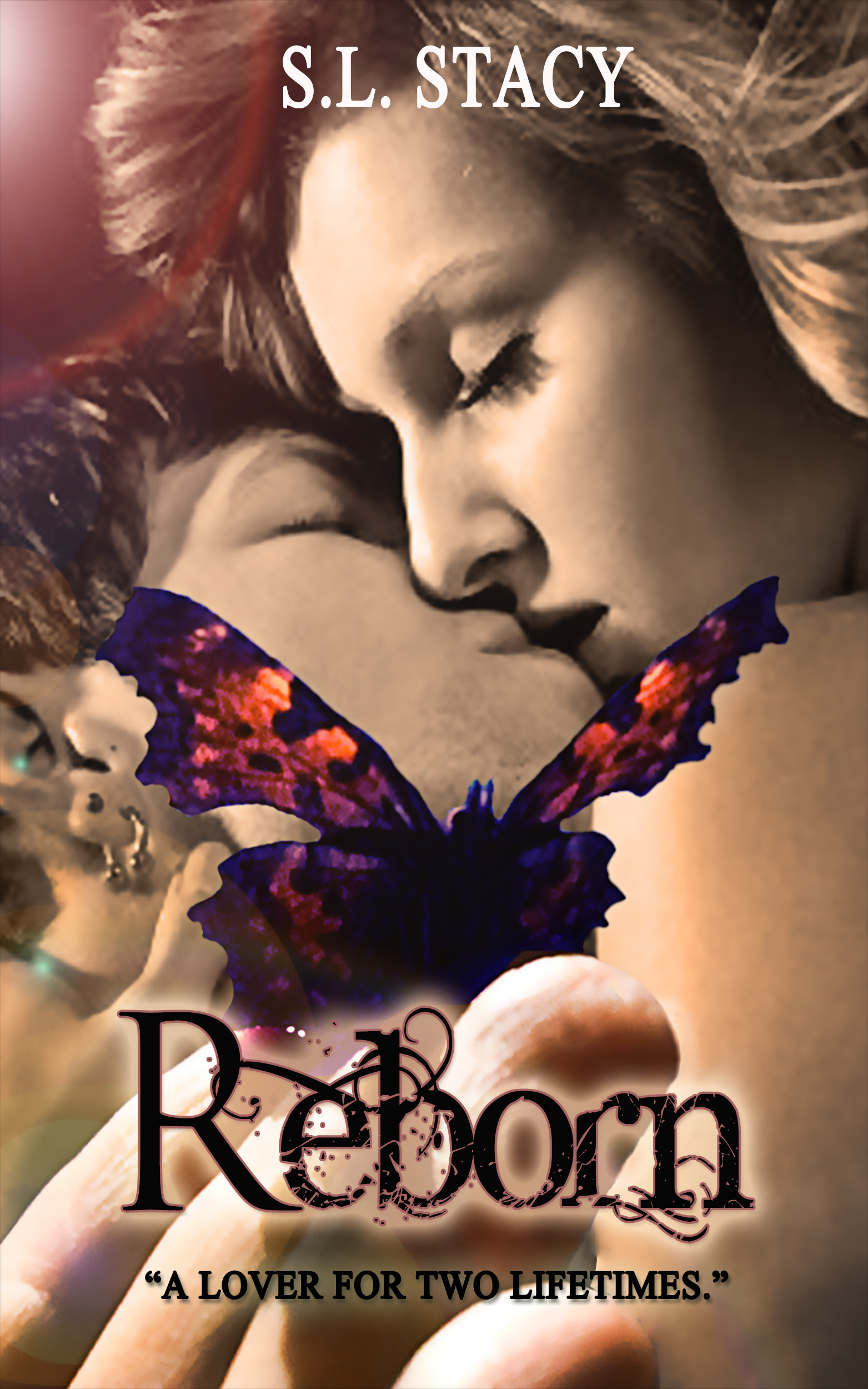
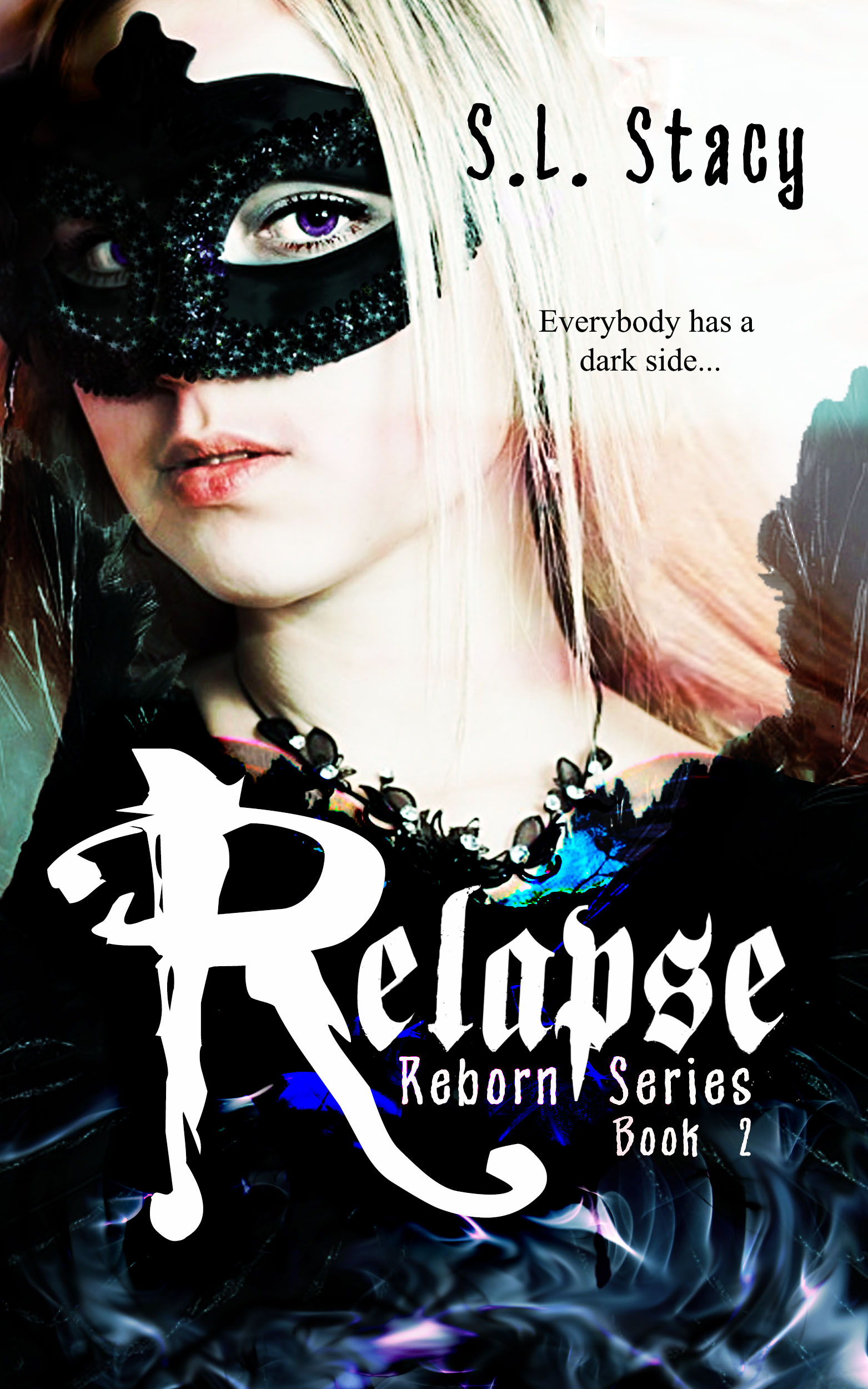
 slstacy.com